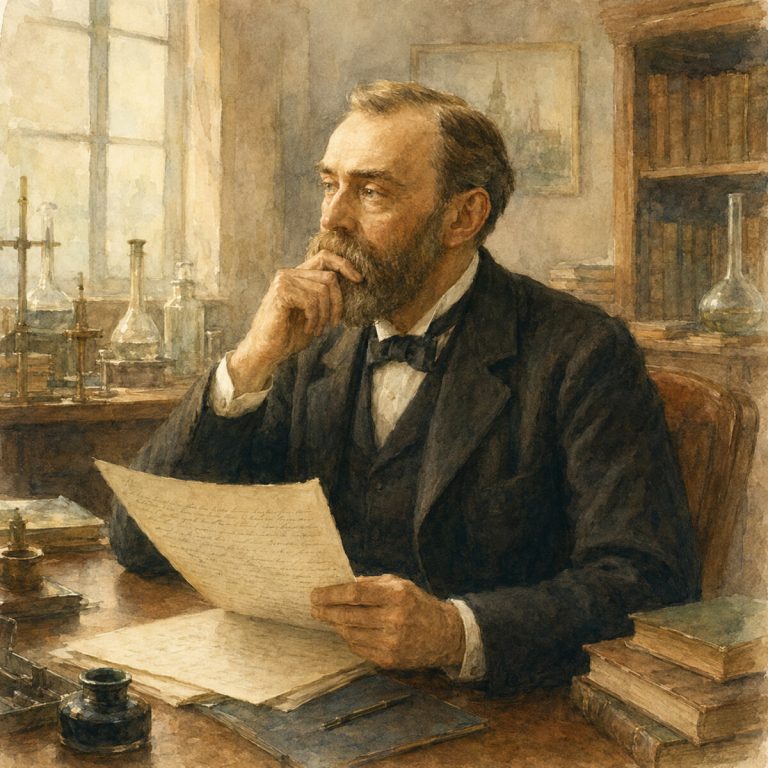
On 27 November 1895, Alfred Nobel signed a will that surprised almost everyone who later read it. He had no wife and no children. Most of his considerable fortune, he instructed, should be invested in a fund whose income would reward people whose work had conferred the greatest benefit on humankind.
A fortune can preserve the circumstances of its creation, or it can be given a new purpose. Nobel used his will to decide what his wealth would mean after him, then entrusted future judgement to institutions capable of carrying that purpose beyond his lifetime.
The difficulty exposes a common weakness in legacy planning. Founders state an aspiration while leaving successors to resolve the questions that make it operational. Who decides? What counts as success? How should capital be invested? Can the purpose change? What happens when the family disagrees?
The capital also required stewardship. A prize that exhausted the fund would have produced a generous moment rather than an institution. Investment policy, governance and administrative discipline allowed the awards to continue through wars, inflation, market shocks and changes in science.
Most fortunes move first towards those closest to the owner. Nobel directed the greater part of his estate towards strangers selected for future achievement. He replaced bloodline with mission as the organising principle of continuity.