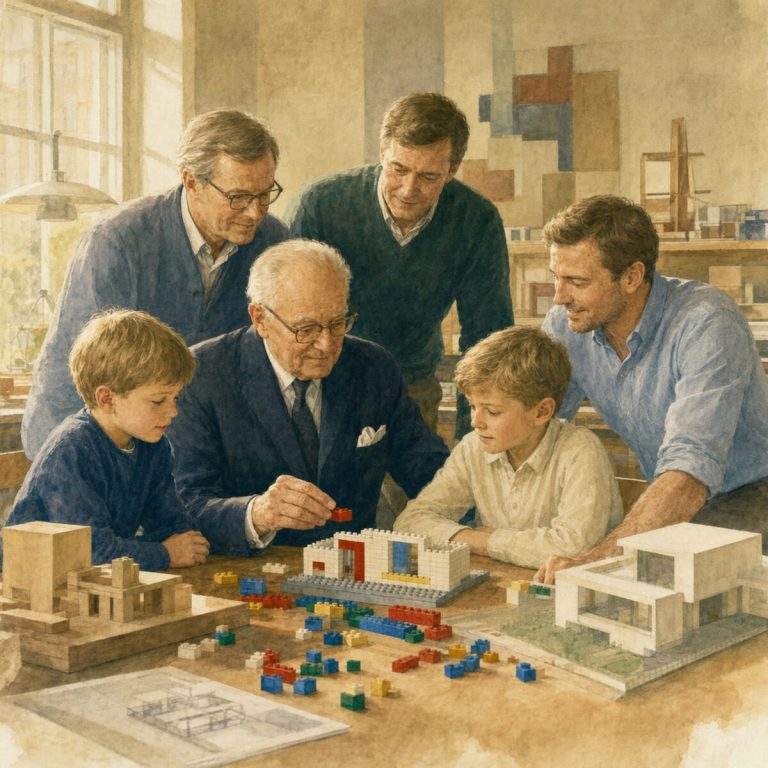
In 2004, the LEGO Group was in serious difficulty. Years of expansion into theme parks, clothing, video games and media projects had created complexity while the company drifted from the system of play that made it distinctive.
The crisis forced the Kirk Kristiansen family to distinguish ownership from executive management. By appointing outside leadership while retaining a clear long-term mandate, the family showed how owners can surrender operational control without abandoning responsibility for purpose, capital and generational continuity.
The crisis did not come from innovation itself. It came from innovation detached from operational discipline and a clear definition of what belonged inside the LEGO system. The family’s commitment to quality mattered; the deeper advantage was coherence.
Professionalisation did not mean importing generic management and excluding the owner. The family remained engaged through boards, brand purpose and patient capital while executives received the authority required to repair the enterprise.
The model also accepts legitimate asymmetry. Equal family belonging does not require identical governance roles. One representative may carry greater active-owner responsibility, provided the wider family receives information, legitimate participation and a trusted appointment process.