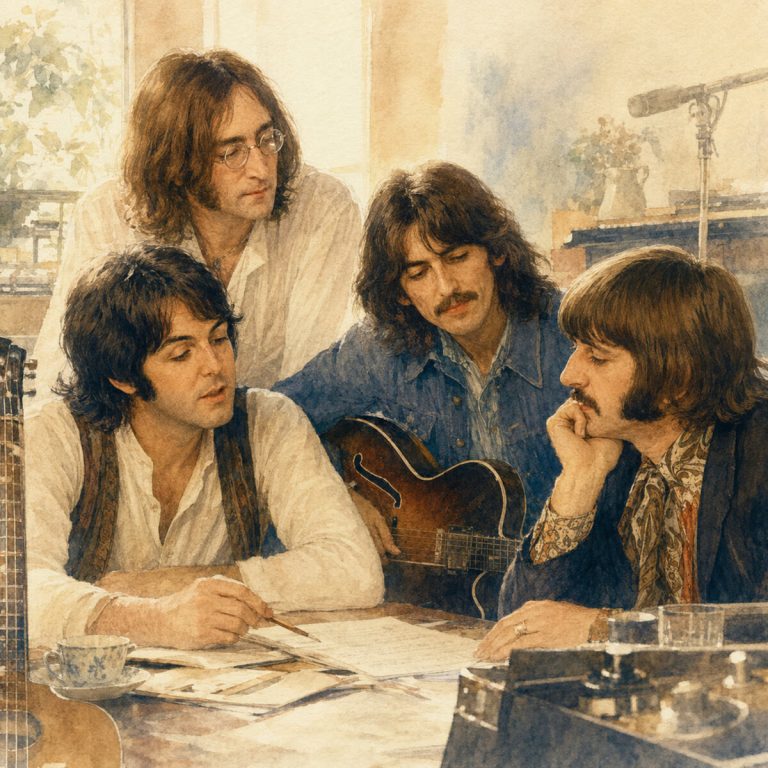
In March 1969, John Lennon and Paul McCartney learned that the controlling interest in Northern Songs, the company that published the Lennon–McCartney catalogue, was to be sold. The songwriters whose work supplied the company’s value did not control the decision.
The Beatles created songs whose economic life would extend far beyond the partnership that made them. Their experience shows how creators can produce valuable rights before they understand ownership, and why stewardship demands structures capable of surviving success, separation and changing relationships.
The right time to define a partnership is while the partners still trust one another. Rules preserve the relationship from pressures that have not yet arrived. Minority ownership can feel like control while interests remain aligned; its limitations become visible when a controlling shareholder chooses to sell or change strategy.
Ownership does not remove the need for management. Creative people may correctly identify that they need their own institution, then assume that freedom from an external owner is enough to make it work. Later projects around the Beatles’ legacy have required coordination among surviving members, estates and professional teams.
Technology will create forms of use the original artist never imagined. Detailed instructions age quickly. Principles, expert judgement and representative governance travel further. Shared work may need governance for generations after the original collaborators have separated.