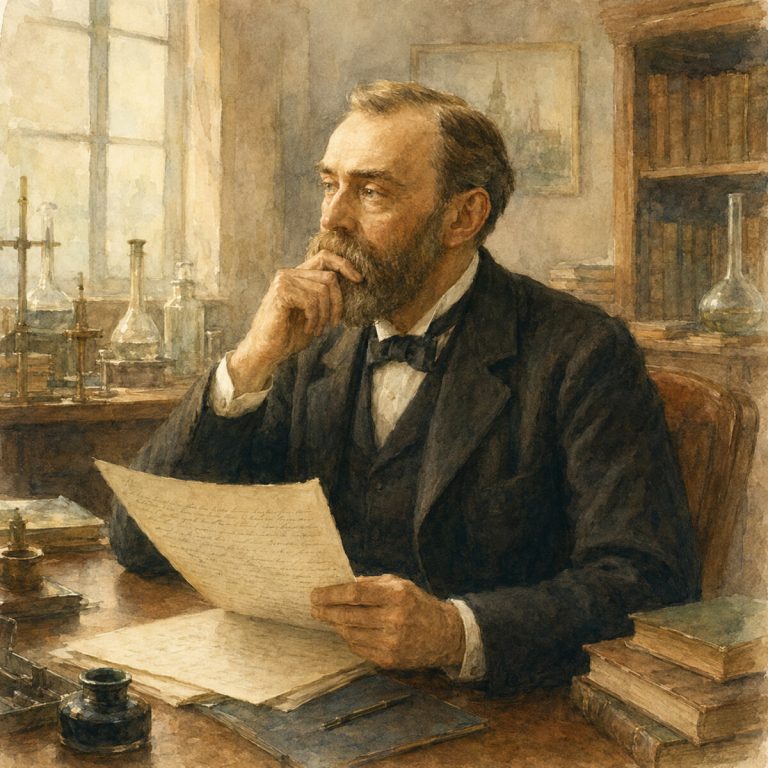
When J. R. R. Tolkien died in 1973, he left boxes of manuscripts, competing versions of stories, invented languages, maps, genealogies and myths revised across decades.
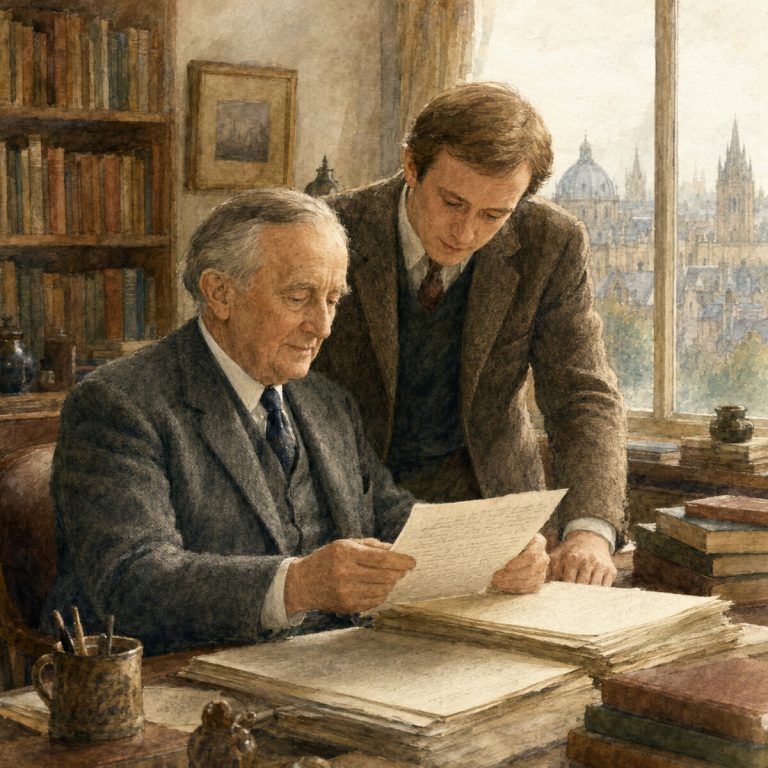
Christopher Tolkien inherited unfinished manuscripts, editorial responsibility and the task of protecting a world already larger than its author. His work shows that an heir may serve best through disciplined interpretation, completing and organising work without claiming authorship for oneself.
Stewardship begins with the humility to distinguish the creator’s work, the steward’s judgement and the areas where no final answer exists. Christopher combined relationship with capability: he knew what the work meant inside the family and could engage with it as a scholar.
A steward must also distinguish control from guardianship. Control asks what can be prohibited. Guardianship asks which uses deepen the work, which merely extract value and which lie outside the steward’s rightful authority.
Families often simplify a founder into approved quotations, treating complexity as a threat to unity. Yet mature legacy can survive contradiction. Protection is strongest when it preserves depth and integrity without claiming ownership over every reader’s imagination. Christopher did not close Middle-earth; he made its unfinished richness available while showing where his father’s voice ended and his own responsibility began.